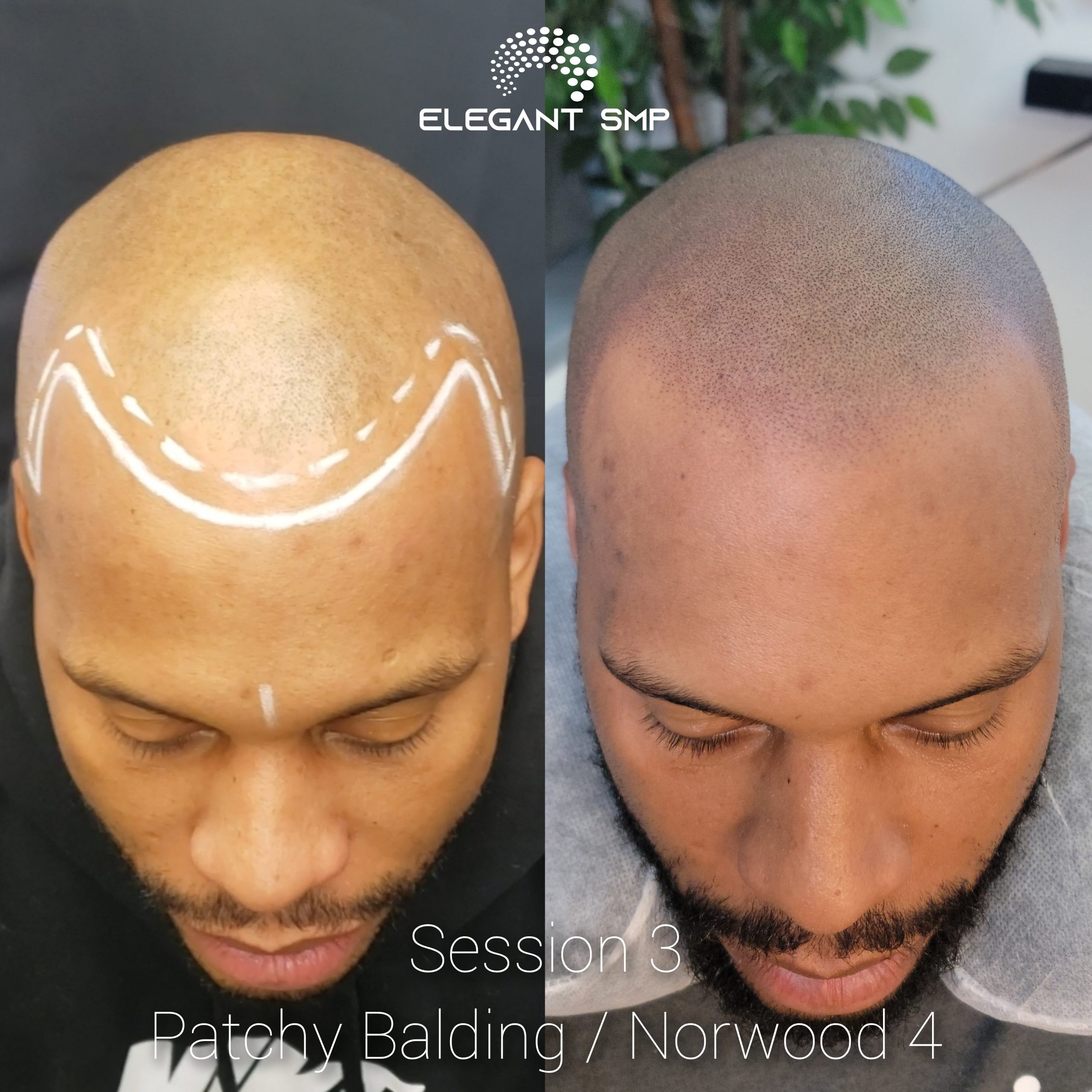
One of the questions that comes up more than you'd think during consultations is about skin type. Specifically, guys with oily skin want to know if that's going to be a problem. Will the treatment not take as well? Will it fade faster? Do they even qualify?
The short answer is yes, oily skin can affect your SMP results, but it's manageable and it's absolutely not a dealbreaker. What it does require is honest expectations going in and a slightly adjusted approach to how you care for your scalp before and after treatment.
Here's what you actually need to know.
Table of Contents
Why Oily Skin Behaves Differently
Your skin produces sebum, a natural oil that keeps the skin barrier healthy and lubricated. For most people this is a good thing. For SMP clients with oily skin, that excess sebum production creates a specific challenge.
SMP pigment is deposited into the upper dermis of the scalp, a shallow layer that's more influenced by surface skin activity than deeper tattoo work. When sebum production is high, it can interfere with how the pigment settles during healing and how stable it remains over time. The oil essentially works against the pigment's ability to anchor firmly in the skin.
What this tends to look like in practice is that oily skin clients may experience slightly faster fading compared to someone with normal or dry skin. The dots can soften a bit sooner over time as the sebum gradually pushes pigment particles outward through the skin's natural renewal process. This doesn't mean the work looks bad. It means the timeline for a touch-up may come a little earlier than the standard three to five year window.
What to Expect During Healing
Healing can also look a little different on oily skin. After the first session, the scalp may appear slightly softer or less defined once the initial healing settles. This is normal. It's not a sign that the treatment didn't take. It's the skin doing what oily skin does.
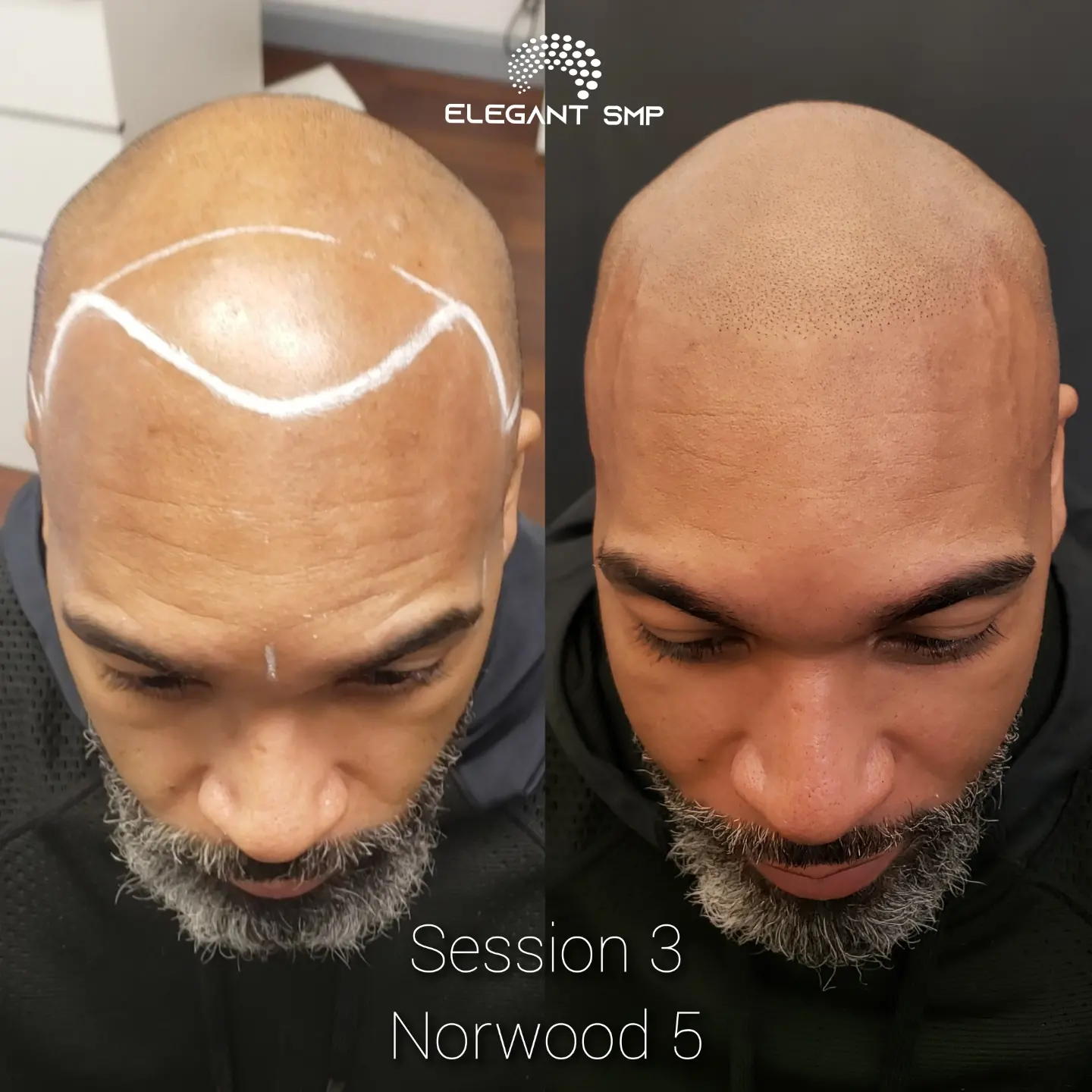
This is actually one of the reasons I build density gradually across sessions rather than pushing it all in one go. Oily skin benefits from that layered approach because it gives the pigment a better chance to establish itself incrementally rather than overwhelming the skin all at once.
By the time we complete treatment, the results should look clean, defined, and natural. You'll just want to go in knowing that maintenance over the long term is a real part of the picture.
Pre-Care for Oily Skin: Showing Up With a Clean Canvas
If you have oily skin, what you do before your session matters. The goal is to show up with a scalp that's as clean and clear of excess oil and product buildup as possible.
In the week leading up to your treatment, switch to a gentle, non-abrasive shampoo that won't strip the scalp but will keep it clean. Avoid heavy styling products, oils, or serums on the scalp during this period. On the day of your session, come in with a freshly washed scalp. Excess sebum sitting on the surface at the time of treatment can affect how the needle interacts with the skin and how cleanly the pigment is deposited.
This isn't complicated. It's just about giving your artist the best canvas to work with.
Post-Care for Oily Skin: Adjust the Moisturizing
The standard aftercare protocol I give all my clients includes moisturizing regularly to keep the scalp healthy and support pigment longevity. For oily skin clients, I adjust that guidance slightly.
Most clients moisturize twice a day. If you have oily skin, once a day is enough. Your skin is already producing its own natural oils and moisture. Adding too much on top of that during healing can over-saturate the area, potentially clog pores, and create an environment that works against the pigment settling properly.
When you do moisturize, keep it lightweight and non-comedogenic. You don't want anything heavy or pore-blocking. A light, fragrance-free moisturizer applied gently once a day is the right approach.
Everything else in the aftercare protocol stays the same. No sweating for the first four days, no washing the scalp for the first four days, light activity only through day ten, and avoiding pools, saunas, and steam rooms for the full thirty days after your final session.
Managing Oily Skin Long Term
Beyond the initial healing phase, how you take care of your scalp on an ongoing basis will directly affect how long your results hold up.
Washing your scalp regularly with a gentle, sulfate-free shampoo keeps excess oil from building up and helps maintain the environment around your pigment. You don't want a scalp that's constantly saturated in sebum. A clean, balanced scalp is what supports the best long-term retention.
SPF is non-negotiable regardless of skin type, but it matters especially if you're already dealing with a skin type that trends toward faster fading. UV exposure is the number one cause of premature SMP fading across the board. Protecting your scalp from the sun keeps your results looking sharp for as long as possible.
Touch-ups are a normal part of SMP maintenance for everyone, but if you have oily skin you should mentally plan for that touch-up conversation to come up a bit earlier than it might for someone else. That's not a problem. It's just part of understanding how your skin works and planning accordingly.
The Bottom Line
Oily skin doesn't disqualify you from SMP and it doesn't mean your results will look bad. What it means is that you go in with realistic expectations, you follow a slightly adjusted aftercare approach, and you understand that your skin type may require a touch-up a bit sooner than average.
Over four years of doing this I've worked with plenty of oily skin clients who are completely happy with their results. The key is always the same: honest communication before the treatment, proper technique during it, and the right aftercare after it.
If you're not sure whether your skin type makes you a good candidate or you want to talk through what to expect for your specific situation, the best thing to do is come in for a consultation. We'll take a look at your scalp, talk through your goals, and give you a clear picture of what your results can look like.
Book a free consultation at Elegant SMP
Tommy T is the owner and practitioner at Elegant SMP in Buffalo, NY. He has over 4 years of experience in scalp micropigmentation and has undergone the procedure himself.