Your wedding day is one of the most photographed days of your life. Every angle, every moment, every handshake and hug is being captured on camera. If you've been thinking about getting scalp micropigmentation before the big day, the decision itself is a great one. The timing of it is what we need to talk about.
A lot of guys make the mistake of booking SMP too close to their wedding. They figure it's a cosmetic procedure, how long could it take? The answer is longer than most people expect, and for good reason. Done right, SMP produces results that look completely natural and undetectable. But getting there requires multiple sessions, proper healing time between each one, and a final settling period where the pigment softens into its permanent, natural appearance.
Book too late and you risk walking down the aisle with a scalp that's still in the healing process. Here's exactly how to plan it so that doesn't happen.
Table of Contents
Understanding the Full SMP Timeline
Before you can plan around your wedding date, you need to understand what a complete SMP treatment actually involves from start to finish.
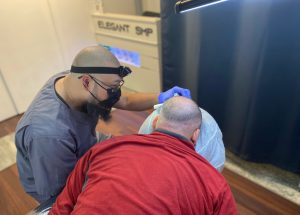
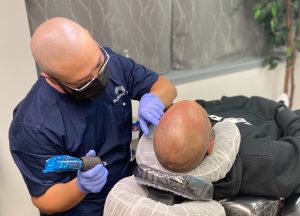
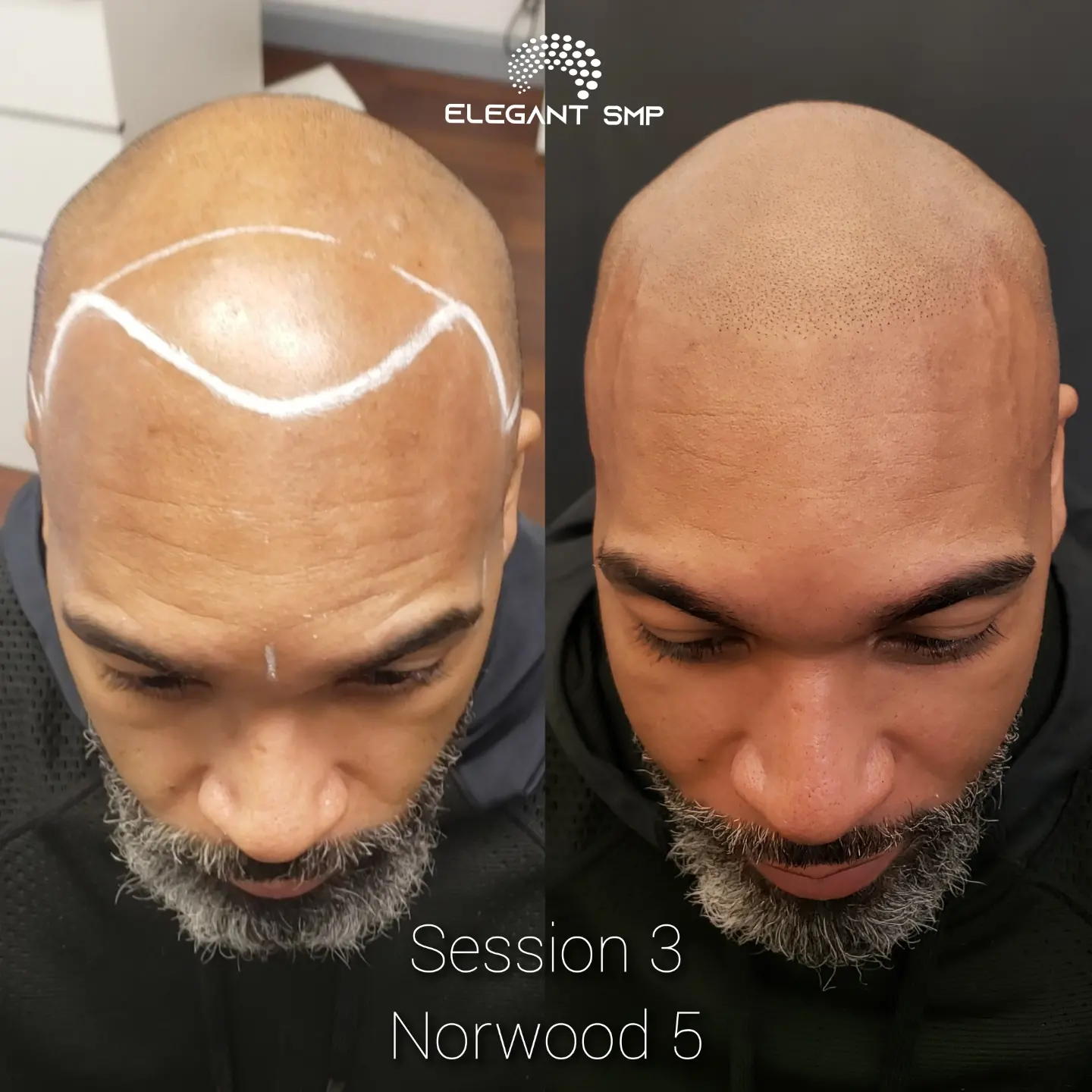
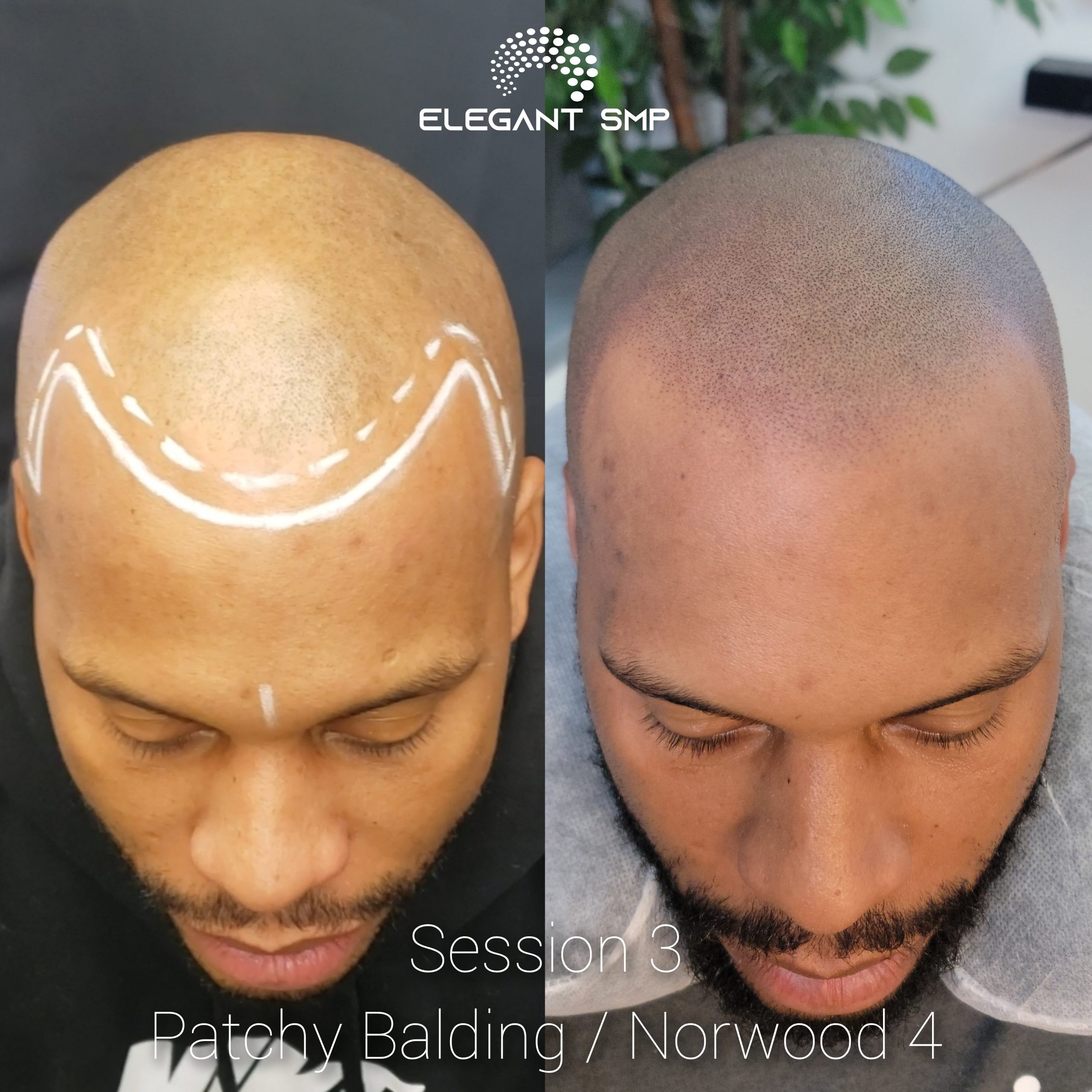
A standard SMP treatment is completed over three sessions. The first session lays the foundation, establishing your hairline and building an initial layer of density. The color is kept lighter in this session deliberately so we can assess how your skin responds to the pigment before adding more. The second session, done roughly at ten days to 2 weeks later, is where the bulk of the density and shade matching happens. This is usually the most transformative session. The third session, done about a month after the second, is the refinement pass. We assess how everything healed, fill in any areas that need more work, and make final adjustments.
From first session to final session, you’re looking at approximately five to six weeks of active treatment time.
But here’s the part most people don’t account for. After your final session, the pigment goes through a settling process that takes up to 30 days. Right after each session, the SMP will look darker and more defined than the finished result. This is completely normal. As the skin heals and the superficial pigment naturally exfoliates away, the result softens and lightens slightly into that clean, natural shaved appearance that makes SMP so convincing.
That settling period is critical for wedding photos specifically. Fresh SMP under bright lighting and a professional camera can look more defined and darker than you want. Fully settled SMP looks like your natural scalp. The difference matters on a day when you’re being photographed for hours.
The Recommended Timeline: Book at Least 3 to 4 Months Out
When you factor in three sessions, healing time between each one, and the final settling period, the minimum you want between your first SMP session and your wedding day is three months. Four months is even better because it gives you a comfortable buffer for anything unexpected.
Here is how that timeline looks in practice.
If your wedding is four months away, you have the ideal runway. You can start your first session, complete all three sessions at a relaxed pace, allow the full settling period, and still have weeks to spare before the wedding. If something needs a minor touch-up, you have time to address it without any pressure.
If your wedding is three months away, you're at the minimum window. It's workable, but you need to book your consultation immediately and get your first session scheduled as soon as possible. There's no room to delay in this scenario.
If your wedding is less than two months away, this is where I'd have an honest conversation with you during a consultation. It may still be possible depending on your specific situation, but you'd be cutting it close and I wouldn't be comfortable guaranteeing that everything will be fully settled and looking its best in time for the ceremony. In some cases, it makes more sense to wait until after the wedding and honeymoon and treat the procedure as a gift to yourself afterward.
Why Photos and Lighting Matter More Than You Think
Wedding photography today is detailed and high resolution. Your photographer is capturing moments from close range, in varied lighting, throughout an entire day. The difference between SMP that has fully settled and SMP that is still in the healing phase is subtle to the naked eye in person, but it can show differently under professional lighting and in edited photos.
Fully settled SMP photographs the way a naturally shaved head does. The dots have softened, the overall tone has balanced out, and everything integrates seamlessly with your skin. It doesn't announce itself in photos. It just looks like you.
This is also worth considering if you're planning to shave your head for the wedding. After your final SMP session, you need to wait a minimum of ten days before shaving with a razor. By the time your full treatment is complete and settled, your shaving routine will be fully reestablished and you'll know exactly how to keep your head looking its best on the day.
What to Do Right Now
If you're reading this and your wedding is on the calendar, the first step is a consultation. Not next month. Now.
The consultation is where we assess your level of hair loss, talk through your goals, design your hairline, and map out a session schedule that fits comfortably within your wedding timeline. It takes the guesswork out of the planning and gives you a clear picture of exactly what to expect and when.
SMP is one of the best decisions a guy can make before a wedding. You'll look sharp in every photo, you'll feel confident from the first dance to the last toast, and unlike a haircut that grows out or a product that can sweat off, your results are there all day without any maintenance required.
Give yourself the time to do it right. Three to four months is all it takes to go from consultation to fully settled, wedding-ready results.
Book your free consultation at Elegant SMP
Tommy T is the owner and practitioner at Elegant SMP in Buffalo, NY. He has over 4 years of experience in scalp micropigmentation and has undergone the procedure himself.